Join Us.
We welcome collaborators, partners, and supporters as we develop the next generation of programmable genetic medicines.
Cancer emerges when this machinery collapses. We build genetic systems that reinstall the lost logic.
Our platform converts cellular stress into precision-tuned therapeutic action.
with modules that read DNA-damage signals and internal stress states with high specificity.
with programmable logic that determines whether a cell should repair, pause, or undergo controlled removal.
with therapeutic effectors—suicide genes, CRISPR payloads, immune stimulators—activated only where instability is persistent.
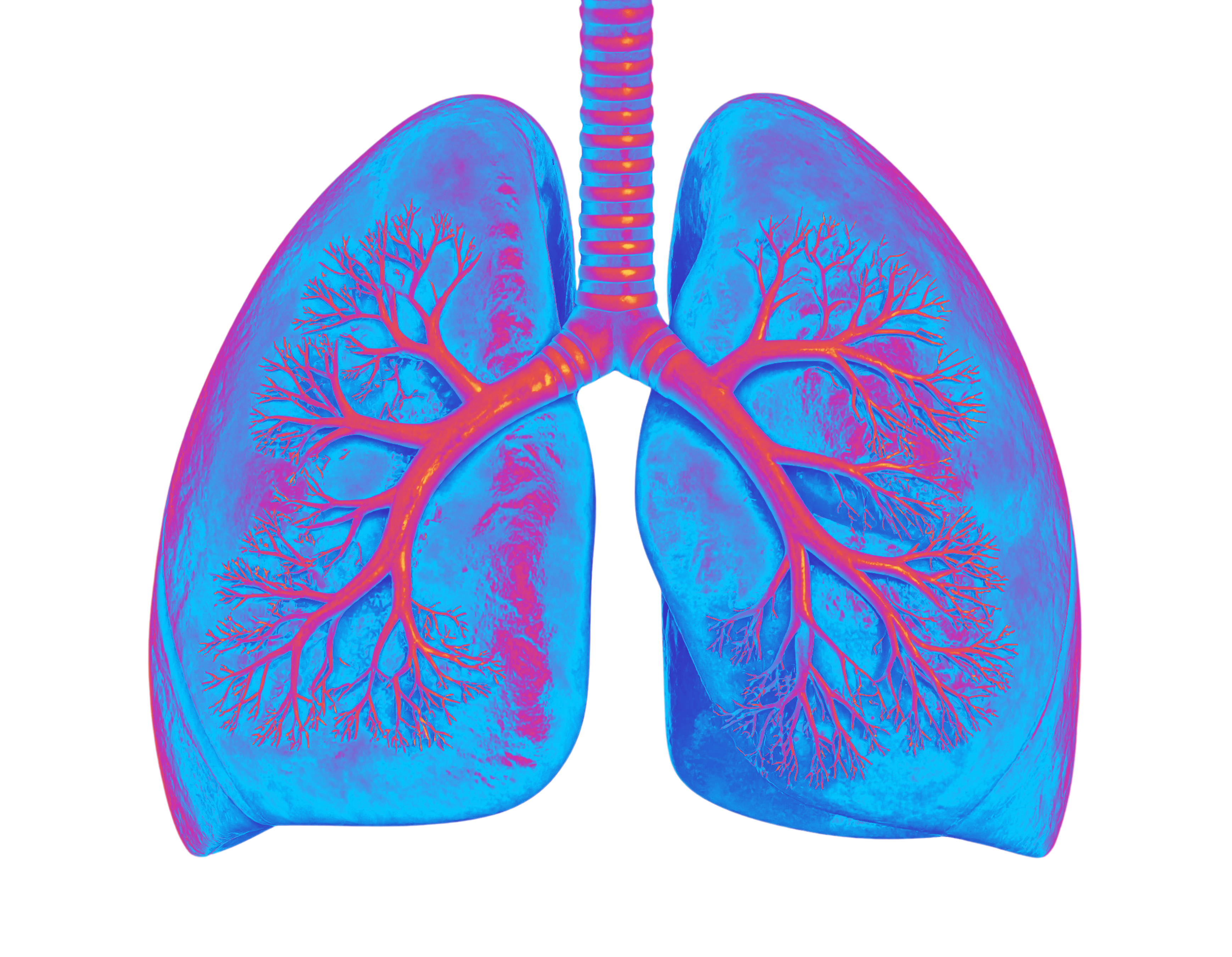
Cancer disables the systems that maintain genomic integrity. Small cell lung cancer is the best example of this: nearly all tumors block the pathways that normally halt division during stress. When these systems fail, cells continue dividing despite DNA damage accumulation.
We set out to rebuild this logic. Our architecture uses two coordinated components:
In stable cells, the regulator keeps the entire program silent.
In unstable cells, chronic damage weakens suppression and activates the effector.
The result is a decision system that operates only where instability is sustained. It avoids promoter leakage, reduces off-target risk, and uses a signal cancer cannot easily silence—cellular stress.
Our team is building a library of sensors, regulators, and effector modules that can be recombined into new architectures. Instead of single-gene therapies, we are creating a programmable system for diseased cells.
Translating stress signals into therapeutic action.
Older suicide-gene approaches required saturating the entire tumor with the therapeutic payload. Expression-based targeting leaked into stem and progenitor cells. Attempts to correct the damaged pathways directly ran into other hurdles.
It listens only for persistent genomic instability and acts only when the cell is no longer capable of safe self-repair.
We test variants in parallel, model their behavior, and refine the components until the decision-making function becomes sharply defined:
This approach turns the flexibility of cancer—its genomic instability—into an exploitable weakness.
Predicting cellular decisions before they occur
The next generation of genetic circuits will be built on anticipating cellular behavior, not just observing it. We are building models that forecast how constructs will behave.
We accelerate design cycles through protein engineering and empirical validation. Each iteration generates structured data that sharpens the next design cycle.
The teams that win in genetic circuit therapeutics will be those who turn biological data into predictive frameworks.
We are looking for collaborators and builders who want to help develop models that make cellular decision-making programmable.
The great unknown of cellular logic is becoming programmable
By pairing engineered decision-making with the most severe instability-driven cancers, we aim to develop gene therapies and combination approaches that act precisely where traditional treatments fail.

Where replication stress defines the disease
Malignancies arising from collapsed stress-response networks
As our effector library expands—suicide genes, immune stimulators, CRISPR variant modules—the platform grows toward more complex therapeutic logic.

We welcome collaborators, partners, and supporters as we develop the next generation of programmable genetic medicines.